What Is a Business? How Organizations Turn Resources Into Value
Mr. ColemanOct 2, 20263 min read
Key Takeaways
- Businesses are systems that transform human, physical, and financial resources into valuable outputs.
- Added value is the difference between the selling price of a product and the cost of its raw materials.
- Businesses exist to solve human problems through specialization and efficient production.
- Transformation occurs when raw materials are converted into something more desirable for the consumer.
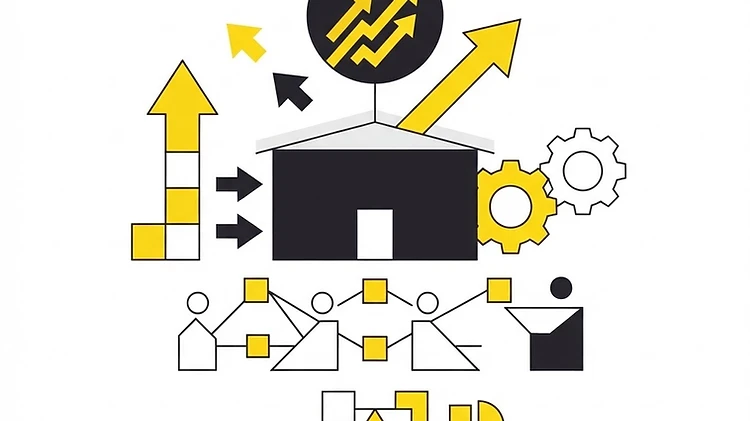
What Exactly is a Business? At its heart, a business is simply a process. It is an organization that takes various inputs, puts them through a transformation process, and creates outputs that satisfy human needs or wants. Think of it as a value-creation engine. Whether you are running a massive multinational corporation or a small neighborhood project, the fundamental goal remains the same: to turn resources into something that people find valuable enough to pay for. To understand this, let us look at how businesses combine different types of resources—human, physical, and financial—to make this magic happen. ## The Lemonade Stand Blueprint: A Case Study Let us imagine a fictional business called 'Zesty Zest Lemonade'. To get started, Zesty Zest needs inputs. These are the raw materials and resources the business needs to function. First, we have human resources: the labor of the person squeezing the lemons. Then, there are physical resources: the lemons, sugar, ice, cups, and the wooden stand itself. Finally, we have financial resources: the cash used to buy these supplies before a single glass of lemonade is sold. The process of turning these into value is the transformation. When Zesty Zest combines the lemons, water, and sugar, they are changing the form of the raw materials. This adds value because the final drink is much more refreshing than a bag of loose lemons sitting on a kitchen counter. The output is the refreshing glass of lemonade sold to a thirsty customer. This is the essence of business activity: the transformation of inputs into outputs that are worth more than the cost of the inputs themselves. ## Understanding Added Value A key concept in business is 'Added Value'. This is the difference between the price of the finished product and the cost of the raw materials used to make it. To calculate this, we use a simple formula: Added Value = Selling Price - Cost of Raw Materials. Let us look at Zesty Zest again. If a cup of lemonade costs $0.50 to make in terms of ingredients, but the customer is willing to pay $2.50 because it is served cold and conveniently on a hot day, the math looks like this: $2.50 - $0.50 = $2.00. The $2.00 represents the added value. This surplus is not just profit; it must cover other costs like the time spent by the worker, the rent for the stand location, and the equipment wear and tear. If a business cannot create enough added value, it will eventually run out of the financial resources needed to keep operating. ## Why Do We Need Businesses? Businesses exist to solve problems. Without them, we would have to be self-sufficient for everything, from growing our own wheat for bread to sewing our own clothes. Businesses specialize. By focusing on specific tasks—like producing high-quality lemonade or manufacturing smartphones—they can produce goods more efficiently than we could alone. This efficiency allows for lower prices and greater variety. When businesses compete for customers, they are motivated to keep improving their processes, leading to better products and services for everyone. ## Key Terms * Business: An organization that combines resources to create goods or services that satisfy customer needs. * Inputs: The resources, such as labor, materials, and capital, used to create a product. * Transformation Process: The activity that converts inputs into a more valuable output. * Added Value: The difference between the selling price of a product and the cost of the raw materials. * Outputs: The finished goods or services that are sold to customers. Exam Tip: When an exam question asks about 'added value', do not just list the math. Always explain that value is added because the business has changed the product in a way that makes it more desirable to the customer, whether through branding, convenience, or physical alteration. Remember, business is a practical skill honed through trial and error; keep analyzing the world around you and practice, practice, practice!
Discussion Questions
- What are the three main types of resources that a business must combine to operate effectively?
- If a business sells a custom-printed t-shirt for $30 and the blank shirt plus ink costs $10, what is the added value of the transformation process?
- To what extent does the ability to add value determine the long-term survival of a small business?
Share